
At A Glance:
Faith-based counseling offers a powerful, holistic path to healing anxiety and stress by integrating professional therapy with spiritual practices. Whether you’re navigating daily overwhelm or deep emotional wounds, this Christ-centered approach provides tools like prayer, EMDR, and biblical truth to help you heal mentally, emotionally, and spiritually. This article explores how it works, why it matters, and what real-life transformation can look like—especially for Christians who want both faith and clinical care to guide their wellness journey.
Personal Note:
Faith is at the heart of who we are. It shapes how we love, grieve, hope, and heal. In my counseling work, I’ve seen the profound difference it makes when we invite God into our healing process—not as a last resort, but as a daily presence. This journey isn’t about fixing you; it’s about helping you reconnect with who God created you to be.
Definition: Faith-Based Counseling
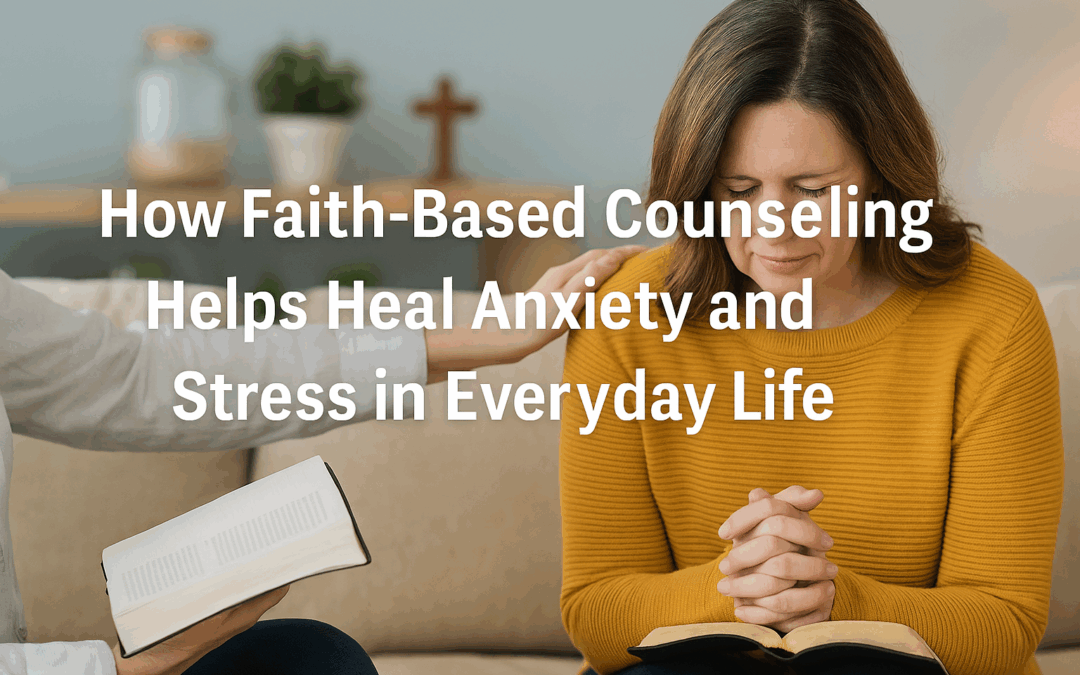
At Lifetouch Counseling, faith-based counseling integrates EMDR therapy with Scripture, prayer, and your faith journey to guide emotional and spiritual healing.
Why Anxiety & Stress Are More Than Just “Mental Blocks”
Anxiety and stress aren’t just fleeting feelings, they can show up in your body, relationships, work life, and spiritual walk. For many Christians, anxiety isn’t just overwhelming—it’s confusing. Shouldn’t faith make it easier to cope? But the truth is, even deeply faithful people can feel anxious or stressed. What matters is how we respond—and faith-based counseling offers a path toward healing that addresses the whole person: body, mind, and soul.
Understanding the Roots of Everyday Anxiety
Daily stressors like work pressure, parenting challenges, financial strain, and unresolved trauma can feed anxiety. Faith-based counseling doesn’t dismiss these issues with a Bible verse—it helps clients explore the source, understand emotional triggers, and reconnect with inner resilience. As we do this work, the healing truths of faith begin to move from something you intellectually know to something you can truly feel bringing comfort and clarity at a deeper level.
Why a Holistic Approach Matters
Secular therapy might treat the symptoms, but Christian counseling looks deeper. It integrates emotional, mental, and spiritual dimensions to help clients process stress through a lens of grace and truth. Faith gives purpose. Therapy provides tools. Together, they bring transformation—not just in your thinking, but in your felt sense of peace, identity, and connection with God.
Common Fears About Secular Therapy
Many Christians hesitate to pursue counseling because they fear secular advice will conflict with their beliefs. Faith-based counseling removes this tension by respecting spiritual values while offering clinical guidance rooted in empathy and professionalism. And more importantly, it helps bridge the gap between knowing God’s promises and feeling their truth settle into your body and emotions—where lasting healing begins.
Q&A Spotlight: What Happens in Faith-Based Counseling for Anxiety?
Answer: During our sessions together, you’ll find a safe, non-judgmental space to explore what’s really fueling your anxiety—whether it’s daily stress, past trauma, or spiritual exhaustion. I primarily use EMDR therapy, which is designed to help you process and release difficult memories or emotions. We’ll pair this with Scripture, reflection, and prayer so that healing happens on both clinical and spiritual levels.
What Faith-Based Counseling Actually Looks Like
Faith-based counseling isn’t a sermon. It’s real therapy infused with real faith.
What does a Christian therapy session look like?
In our work together, we might use EMDR to help you reprocess painful experiences while anchoring you in a biblical truth, such as Philippians 4:6-7. Sometimes we open in prayer; sometimes we process Scripture as part of healing. Everything is tailored to your comfort and your walk with God.
How is faith used in counseling sessions?
I follow your lead. If prayer feels grounding, we include it. If Scripture helps reframe a lie you’re believing, we explore that together. My goal is to support you clinically, emotionally, and spiritually—without ever forcing anything.
I often tell clients: “Healing honors both faith and psychology. When we bring the two together, transformation becomes possible.”
How Faith Helps Shift Anxiety & Stress—The Science + The Spirit
Research shows a strong link between spiritual practices and emotional well-being. A 2023 study in BMC Psychiatry found that prayer and faith communities can lower anxiety levels. (source)
Does prayer really help calm anxiety?
Absolutely. Prayer stimulates the part of your nervous system that promotes calm. A 2019 study in the Journal of Religion and Health showed prayer can reduce cortisol levels by 19%. (source) For many of my clients, prayer isn’t just a ritual—it becomes a real anchor in the storm.
Can faith ever make anxiety worse?
Sadly, yes—especially when we internalize beliefs like “anxiety means weak faith.” That’s not truth; that’s shame. I help clients reframe those messages and replace them with grace-based understanding.
I gently remind people: “Struggling with anxiety doesn’t mean you’re failing. It means you’re human—and God meets you right there.”
Biblical & Therapeutic Tools for Managing Stress Every Day
How my approach helps reduce your stress in three steps:
- Recognize & Reframe: We identify the roots of your anxiety and reprocess them through EMDR, anchored in biblical truth.
- Invite God In: With prayer, Scripture, and quiet reflection, we weave your faith into every step of the healing process.
- Apply Daily Tools: I’ll equip you with practical tools—like breathwork, journaling, and mindset shifts—that reinforce peace and resilience.
These steps are simple, repeatable, and always tailored to your life.
What can I do right now when I feel overwhelmed?
Tool 1: Pause & Pray – Just one minute of quiet prayer and deep breathing can shift your nervous system into a place of calm.
Tool 2: Scripture Reframing – We replace anxiety-driven thoughts with life-giving truth. Try replacing “I’m not enough” with “His grace is sufficient for me.”
Tool 3: Faith-Filled Exposure – Using EMDR principles, I’ll guide you in gently facing what feels overwhelming—without doing it alone.
Tool 4: Lean on Community – Stress isolates. Faith reminds us we’re not alone. I encourage clients to stay connected to their church and support systems.
Tool 5: Choosing the Right Fit – If you’re looking for someone who gets both your faith and your mental health journey, you’ve found a safe place here.
If this sounds like the support you’ve been praying for, I’d be honored to walk alongside you.
Fast Facts on Faith-Based Stress Relief
- Prayer reduces cortisol levels and calms the nervous system.
- EMDR therapy can help release trauma and anxiety triggers.
- My approach blends Scripture with proven clinical care.
- Faith reframing transforms anxious thoughts into peace-filled truth.
- Community and connection accelerate healing.
Real-Life Story: Maria’s Monday Meltdown
Maria, a Castle Rock mom of three, used to dread Monday mornings. The chaos, the noise, the pressure—it all left her overwhelmed. Through our work together, she learned to pause, breathe, and start her day with a short prayer and Scripture meditation. Over time, Monday became a sacred pause—not a stressful trigger.
Her story reflects what many experience: peace is possible when faith and therapy meet.
When to Reach Out for Support
You don’t have to hit rock bottom to start healing. If you’re losing sleep, feeling emotionally stuck, or struggling to find joy—let’s talk.
As a solo practitioner at Lifetouch Counseling, I offer warm, one-on-one care that honors both your heart and your beliefs.
Book a Christian Counseling Session in Castle Rock
FAQ
What is the difference between Christian and secular therapy?
Christian therapy includes your faith as a foundation. Secular therapy usually does not unless you specifically ask for it.
How does prayer fit into counseling sessions?
If you want prayer, we use it—whether at the beginning, during processing, or as a grounding tool.
Can I combine faith-based and medical treatment?
Yes. Many of my clients pair therapy with medical care. It’s about building a full-circle support system.
Is Christian counseling confidential?
Absolutely. Everything we discuss stays private, in line with all professional ethics.
What if I’m struggling with my faith?
There’s no judgment here. You can bring your doubts. My role is to walk with you through them.
Moving from Surviving to Thriving
Struggling with anxiety doesn’t make you weak—it makes you human. And healing is possible.
If you’re ready to walk toward peace, I’d love to support you with tools rooted in both Scripture and science.
Recent Comments